Sparing the Rod: How I Stopped Using Corporal Punishment and Became a Positive Discipline Champion
This World Teachers’ Day, my message to fellow teachers is simple: if I could change, any teacher can.
When I started teaching, I believed the cane was what made me a teacher. A good teacher was one who could control a class, and the cane was how you did it. When I saw colleagues who didn’t use it, I thought they were soft. Corporal punishment had been outlawed in Kenyan schools since 2001, yet in many schools, including mine, it was still treated as part of the job.
I was young and energetic, and I quickly learned how to look like I was in charge. Inside, I was often anxious.
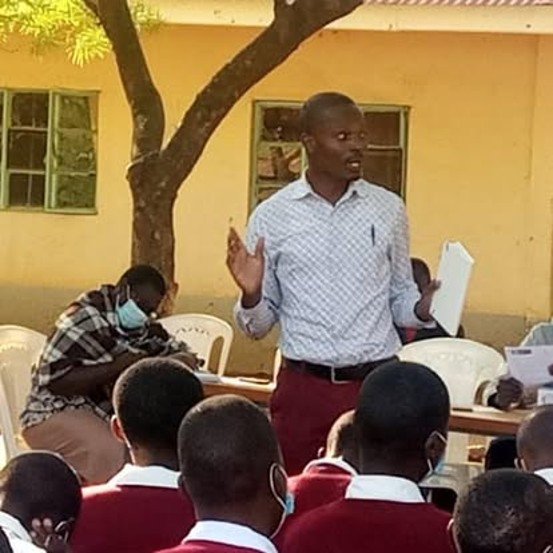
The day I thought I had killed a child
There was a boy in my school, whom I’ll call Brian, who was much bigger than me. When I caned him, I used more force because of his size. In the middle of the punishment, he pretended to faint. The whole school panicked, and so did I. For a few minutes I truly believed I had killed a child.
Looking back, I can see what was really going on. I thought the cane was my tool for controlling children. Fear was the real tool, and I was as afraid as they were. Even so, I kept caning.
The boy who never came back
The real turning point came later. I was punishing a boy for not doing his homework when he ran out of the classroom, out of the school gate, and never came back. I went home that evening with a heavy heart, sure he would return the next day. Days turned into weeks, then months. When I asked about him, I learned he had gone to live with a relative. His home situation was hard, and nobody brought him back to school.
One question stayed with me: are teachers supposed to attract children to school or chase them away? It was no longer a theory. I had watched a child leave school because of me.
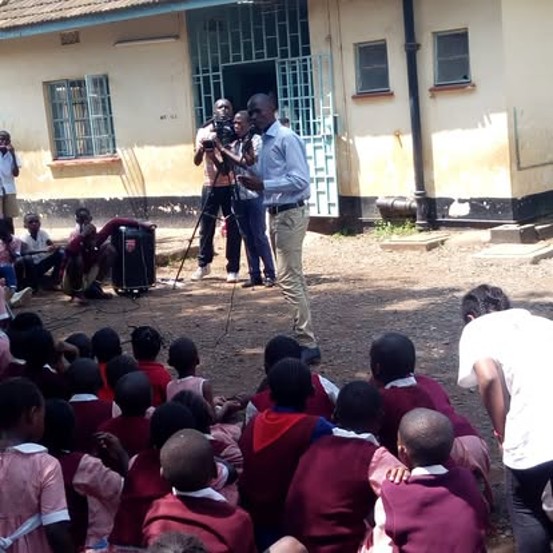
Putting down the cane
Stopping wasn’t easy. Some colleagues thought I had gone soft, and I worried I would lose control of my class. The learners were used to teachers who punished them.
I first heard about Positive Discipline at a Teachers Service Commission training when I was a Beacon Teacher. It showed me that discipline didn’t have to mean fear, but I needed practical tools, not just an idea. That search led me to the Positive Discipline Association. The tool that changed the most for me was class meetings.
Tuesday mornings with 72 girls
In 2023 I was posted to a large girls’ secondary school, where I was made class teacher of a Form 3 class with a reputation as the “worst class.” There were 72 girls.
Instead of starting with punishment, I started with class meetings every Tuesday morning. I showed the girls how to run one. In the very first meeting, during appreciations, I watched their faces light up as classmates recognised something good they had done. Appreciations in a class of 72 take a long time, so on the advice of my Positive Discipline mentors, we broke into small groups.
We also started a class agenda book. Instead of running to me with every problem, the girls wrote it down. At the next meeting, the class brainstormed solutions and agreed which ones to try. Cases in the class went down. I no longer had to solve every problem myself. I could trust them, and they loved being trusted.
At the end of term, I asked the girls to write honest comments about the meetings and to criticise them if they wanted to. One wrote: “I think the class meeting is a very good idea, because it helps us and teaches us to solve our own problems in a peaceful manner.” Another said: “I love how we normally conduct the class meeting. I love the method you usually use and I have never seen any class teacher use it before, so I would like you to continue with the method; it is the easiest. Also take it to other classes.”
I had expected that sharing power would cost me control. It did the opposite: it gave the girls responsibility. The school went on to set aside Tuesdays for class meetings in every class, and I invited other class teachers to sit in on ours.
Coach, not commander
The old Robert wore a face that said “I am in charge” while feeling anxious inside. Every caning left me tired and uncomfortable. I didn’t like what I was doing, even while I told myself it was necessary. Now I see myself more as a coach walking alongside my students than someone standing over them.
I’ve also learned that I have to model what I want to see. I cannot preach water and drink wine. If I want learners who are respectful, patient and able to handle conflict, they need to see those things in me first.
This matters beyond classroom behaviour. I once supported a student who was in deep distress. She felt nobody understood her and had lost hope after clashing with the school’s disciplinary process. Instead of adding another punishment, I listened, stayed kind but firm, and helped her find her way through. She finished her studies. Sometimes what a child needs most is an adult willing to find out what lies underneath the behaviour.
If I could change, any teacher can
I’m not writing as someone who always knew better. I was that teacher. I used the cane, I defended it, and I feared losing control without it.
Teachers can change, but condemning them is not enough. They need practical alternatives, training and support to unlearn habits many of us inherited as normal teaching.
So this World Teachers’ Day, my message to fellow teachers is simple: if I could change, any teacher can. Putting down the cane doesn’t mean giving up on discipline. It means choosing discipline that is both kind and firm, builds responsibility instead of fear, and treats a child’s mistake as something to learn from.
I’m still becoming that teacher.

If you’d like to get in touch with Coalition for Good Schools,
send us an email at in**@*********************ls.org
Copyright © 2025 | Coalition for Good Schools
If you’d like to get in touch with Coalition for Good Schools, send us an email at in**@*********************ls.org
SUB-SAHARAN AFRICA
HakiElimu
+255 22 2151852/3
ASIA
Samya
+91 11 41666101 06
LATIN AMERICA
Aulas en Paz
+57 310 8075818
Copyright © 2025 | Coalition for Good Schools
