How CWIN Integrated Online Child Protection into Nepal’s School Curriculum
It has been a journey involving careful advocacy and commitment to institutionalising online child protection within Nepal’s formal education system.
The Background
The rapid expansion of Internet access has created unprecedented opportunities for children to learn, communicate, and engage with the digital world. However, it has also exposed them to increasing risks, including Online Child Sexual Exploitation (OSEC), cyberbullying, online grooming, exposure to harmful content, and various forms of online abuse.
Recognising the growing need to equip children with the knowledge and skills necessary to navigate the digital environment safely, CWIN-Nepal initiated strategic engagement with the Curriculum Development Centre (CDC) to institutionalise online child protection within Nepal’s formal education system.

The CWIN-Nepal team at its Bi-Annual Review Meeting in Pokhara this year.
The Challenge
Prior to this initiative, online child protection and OSEC prevention were largely absent from school curricula and teaching materials. While Internet use among children was increasing rapidly, there was limited guidance available to students and teachers on recognising online risks, protecting personal information, reporting online abuse, and seeking support. Without structured educational content, many children remained vulnerable to online exploitation and harm.
The Intervention
Since 2022, CWIN-Nepal has been working closely with the Curriculum Development Centre (CDC) to strengthen the integration of Online Child Sexual Exploitation (OSEC) prevention and online child protection within Nepal’s education system. The process began with a series of consultations, technical discussions, and orientation sessions involving all subject divisions of CDC to build a shared understanding of emerging online risks faced by children.
Through sustained advocacy and technical support, CDC recognised the importance of addressing online child protection within educational resources. As a first milestone, OSEC-related content was incorporated into the Teachers’ Guide, enabling educators to better understand online risks and facilitate discussions on child protection in classrooms.
Building on this achievement, online child protection content was subsequently integrated into Grade 11 Life Skills Education, ensuring that adolescents receive age-appropriate guidance on safe and responsible internet use. Under the revised curriculum framework, online child protection and OSEC prevention concepts were mainstreamed across school-level textbooks, significantly expanding their reach.
Curriculum Integration Achievements Across Grades
The collaboration resulted in the inclusion of online child protection content across multiple grades and subjects:
Grade 6 – Cyber Security and Digital Citizenship: Students are introduced to the concepts of cyber security, digital citizenship, privacy protection, responsible Internet use, and safe online behaviour. The curriculum promotes awareness of digital rights and responsibilities from an early age.
Grade 7 – Computer Science: The curriculum introduces reporting mechanisms for online child protection issues, helping students understand where and how to seek support when faced with online abuse, cyberbullying, or harmful online interactions.
Grade 8 – Computer Science: Students learn about online risks, cyber safety, and available reporting systems. The curriculum emphasises the importance of reporting online abuse and seeking assistance from trusted adults and support services.
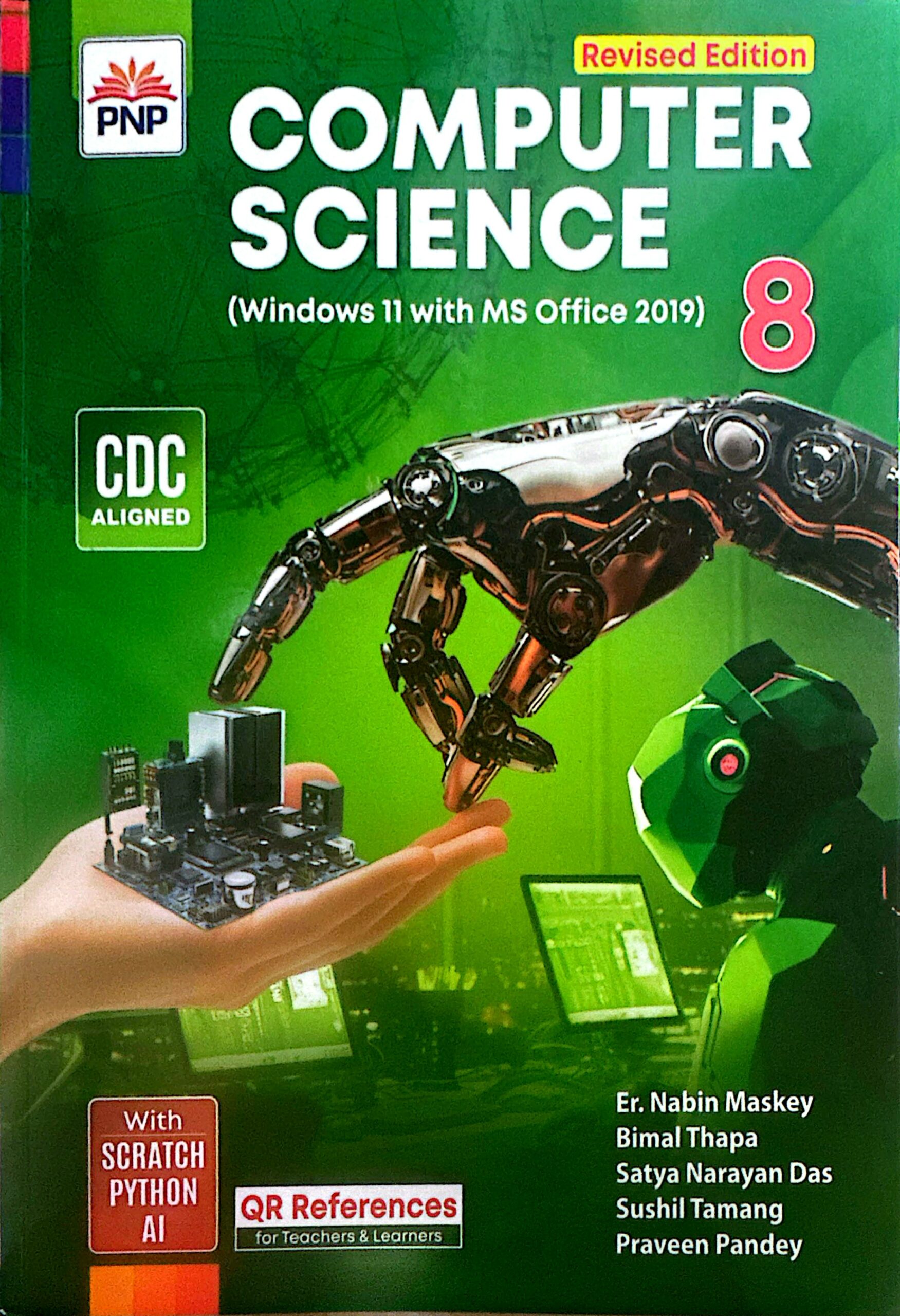
Grade 9 – Computer Science: The curriculum further strengthens students’ understanding of online child protection by introducing concepts related to cyberbullying, online harassment, exploitation, and available support mechanisms for children.
Grade 10 – Computer Science: A dedicated section titled ‘Online Child Protection from the Internet’ provides comprehensive information on:
- Online child protection and digital safety;
- Cyberbullying and online scams;
- Online grooming and harmful online interactions;
- Protection of personal information and privacy;
- Safe and responsible Internet use;
- Reporting mechanisms and support services.
The textbook also includes practical information on reporting online abuse in Nepal through:
- Nepal Police Cyber Bureau;
- Local police offices;
- Child Helpline 1098;
- Emergency support services.
Grade 11 – Life Skills Education: Online child protection and OSEC prevention were incorporated into Life Skills Education, enabling adolescents to develop critical thinking, risk awareness, and protective behaviours in digital environments.
Results and Impact
The integration of online child protection and OSEC prevention into Nepal’s secondary curriculum represents a significant policy and systems-level achievement. What began as an advocacy initiative has evolved into a sustainable educational intervention embedded within official teaching and learning materials.
Today, children across multiple grade levels are receiving structured, age-appropriate information on digital safety, privacy protection, responsible internet use, cyber risks, and reporting mechanisms. Teachers are better equipped to discuss online safety issues in classrooms, while students are empowered to recognise risks, protect themselves online, and seek support when needed.
The initiative has also strengthened institutional ownership within the education sector, ensuring that online child protection remains part of the formal learning process beyond the duration of individual projects. By embedding these topics within curriculum frameworks, textbooks, and teachers’ resources, the intervention has created a long-term mechanism for reaching thousands of students nationwide each year.
Why This Matters
This initiative demonstrates how collaborative engagement between civil society organisations and government institutions can drive meaningful curriculum reform and strengthen child protection systems. By integrating online child protection into formal education, Nepal has taken an important step toward ensuring that children are equipped with the knowledge, skills, and confidence necessary to navigate the digital world safely.
The case further illustrates how sustained advocacy, technical expertise, and strong partnerships can transform emerging child protection concerns into institutionalised educational practices that contribute to safer digital environments for children across the country.
Key Learning
The successful integration of online child protection and OSEC prevention into Nepal’s national curriculum highlights the importance of sustained collaboration between child rights organisations and education authorities. Curriculum reform offers a powerful and sustainable pathway for reaching large numbers of children with critical protection messages, ensuring long-term impact and systemic change.
If you’d like to get in touch with Coalition for Good Schools,
send us an email at in**@*********************ls.org
Copyright © 2025 | Coalition for Good Schools
If you’d like to get in touch with Coalition for Good Schools, send us an email at in**@*********************ls.org
SUB-SAHARAN AFRICA
HakiElimu
+255 22 2151852/3
ASIA
Samya
+91 11 41666101 06
LATIN AMERICA
Aulas en Paz
+57 310 8075818
Copyright © 2025 | Coalition for Good Schools
